

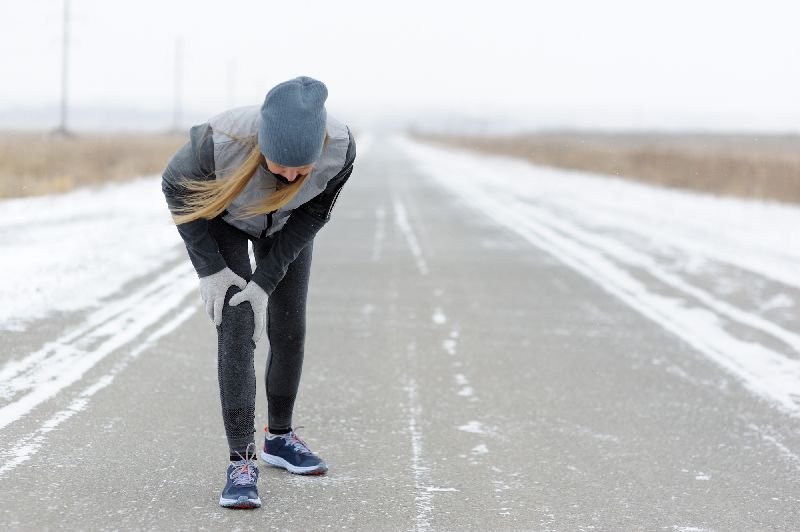
There’s something about winter that makes knee discomfort feel louder.
Colder mornings.
Stiffer joints.
Less daylight.
More time indoors.
It’s common to hear, “My knees are worse in the winter.”
And while the cold itself isn’t damaging your joints, the combination of reduced movement, lower circulation, and lifestyle shifts can absolutely make symptoms more noticeable.
But here’s the reassuring part:
Winter doesn’t have to mean regression.
With intention, gentle structure, and consistent movement, your knees can actually feel more supported — not more sensitive — during the colder months.
Let’s talk about why winter affects knee pain, and what you can do about it.
Why Knees Feel Stiffer in Winter
Cold weather itself doesn’t damage cartilage or ligaments.
But it does influence:
- Circulation
- Muscle elasticity
- Activity levels
- Joint lubrication
- Time spent sitting
When temperatures drop, muscles may feel tighter. Circulation may be slower first thing in the morning. We also tend to move less overall in winter — fewer spontaneous walks, fewer outdoor activities.
Less movement leads to less joint lubrication.
And joints love lubrication.
The knee is designed to move.
When it doesn’t move consistently, it stiffens.
Stiffness then feels like discomfort.
The solution isn’t to protect it more.
It’s to move it — thoughtfully.
Movement First, Always

The instinct in winter is often to rest more.
And rest has its place.
But prolonged inactivity tends to amplify knee discomfort rather than reduce it.
Instead, focus on gentle daily mobility:
- Slow bodyweight squats
- Seated knee extensions
- Step-backs
- Gentle lunges
- Marching in place
These don’t need to be intense.
They need to be consistent.
Five to ten minutes in the morning can make a meaningful difference in how your knees feel throughout the day.
Think of it as waking up your joints.
Warm Up Differently in Winter
Winter calls for a longer ramp-up.
Cold muscles and joints need gradual preparation.
Before a workout, a long walk, or even housework:
- Start with light cardio (marching, cycling, walking)
- Add dynamic mobility (leg swings, mini squats)
- Gradually increase range and load
Jumping straight into activity without preparation increases stiffness.
Preparation creates confidence.
Strength: Your Winter Insurance Policy

The knee itself is not a large muscular joint — it depends on the surrounding muscles to absorb load and stabilize movement.
Key areas to focus on:
- Quadriceps
- Hamstrings
- Glutes
- Calves
Simple winter-friendly strength exercises:
- Glute bridges
- Step-ups
- Split squats (supported if needed)
- Calf raises
- Wall sits
Two to three short strength sessions per week can significantly reduce winter flare-ups.
When muscles are stronger, joints feel more supported.
Don’t Skip Balance Work

Winter surfaces can be slippery.
And fear of slipping often changes how we move.
That subtle guarding increases tension and discomfort around the knee.
Adding balance training helps:
- Improve joint awareness
- Increase reaction time
- Reduce stiffness
- Improve confidence outdoors
Simple drills include:
- Standing on one leg near support
- Heel-to-toe walking
- Gentle lateral weight shifts
Balance work doesn’t need to be complicated.
It needs to be practiced.
Circulation Is Everything
Knees thrive on circulation.
In winter, we tend to sit longer — under blankets, at desks, during darker evenings.
Set a timer.
Every 30–60 minutes:
- Stand up
- Walk around
- Do 10 slow squats
- Stretch gently
These small movement breaks prevent stiffness from accumulating.
Your knees don’t need intensity all day.
They need variability.
What About Swelling?
If knees feel more puffy or achy in winter, focus on:
- Gentle range of motion
- Elevation after long days
- Light compression if helpful
- Avoiding prolonged static positions
Movement encourages fluid exchange.
Staying still for hours increases stiffness.
It’s not about pushing through.
It’s about steady rhythm.
Footwear Matters More in Winter

Heavy winter boots with poor support can alter knee alignment.
Slippery surfaces also change gait mechanics.
Look for:
- Supportive footwear
- Stable soles
- Proper arch support
- Traction for icy conditions
Stability at the foot influences stress at the knee.
Support from the ground up matters.
The Emotional Layer of Winter
Winter can feel slower.
Darker days influence mood.
Reduced sunlight impacts energy.
Lower mood can increase pain sensitivity.
This isn’t imagined — it’s neurological.
Maintaining routine becomes even more important in winter:
- Scheduled movement
- Light exposure early in the day
- Gentle cardio indoors
- Social connection
When mood is supported, pain perception often decreases.
Reframing Winter Knee Pain
Instead of viewing winter as a setback, consider it a reset.
An opportunity to:
- Build foundational strength
- Improve movement quality
- Establish daily mobility habits
- Strengthen balance
- Address long-standing asymmetries
Winter can be the season you prepare — so spring feels strong.
A Simple Weekly Winter Framework
Daily (5–10 minutes)
Gentle mobility and balance drills.
2–3x Weekly
Lower body strength sessions.
3–4x Weekly
Low-impact cardio (walking, cycling, swimming).
Hourly Movement Breaks
Prevent stiffness from sitting.
Consistency matters more than duration.
Short sessions done regularly outperform sporadic long workouts.
When to Seek Support
- Persists despite movement
- Limits daily activities
- Feels unstable
- Swells significantly
- Causes hesitancy in walking
It may be time for guided assessment.
Sometimes small technique adjustments or strength imbalances are the underlying issue.
A tailored approach can make winter feel manageable again.
Final Thoughts
Your knees are not fragile.
They respond to movement, strength, and circulation.
Winter may increase stiffness — but it also offers an opportunity to build resilience.
Move daily.
Warm up intentionally.
Strengthen consistently.
Balance confidently.
And most importantly — don’t withdraw from movement out of fear.
Your knees feel better when they are supported, not protected.
If knee discomfort has been holding you back, a personalized approach can help you move with more confidence and less stiffness.
Book a free Discovery Visit to assess your movement, identify contributing factors, and build a winter-ready plan that keeps your knees steady and strong.